
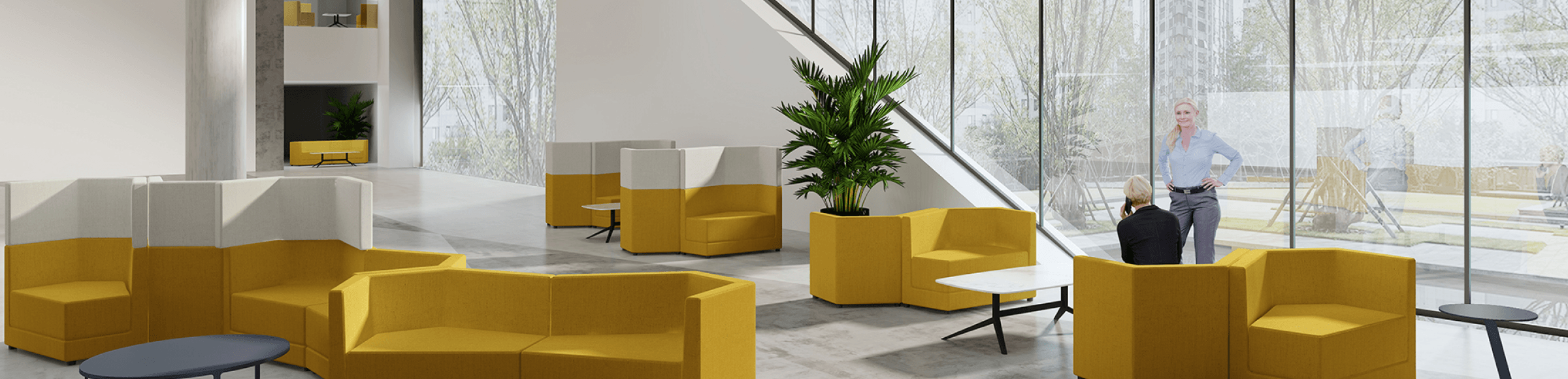

Anthropometric Foundations of Seat Depth
Proper seating depth is determined by the horizontal distance between the back of the hip and the interior bend of the knee, ensuring complete lumbar support while preserving circulatory health.
When evaluating soft seating for commercial deployments, posture mechanics depend on how seat depth interacts with human anatomy. If a seat is excessively deep for a user, the front edge of the cushion presses directly against the space behind the knee containing critical nerve passages and venous structures. To avoid this localized pressure, users shift their pelvis forward, which flattens the natural curve of the lumbar spine and strains soft tissues.
Conversely, an insufficiently deep seat leaves upper thighs unsupported, increasing pressure on a smaller surface area of the pelvic region. Industrial ergonomic standards mandate a clearance gap of two to three inches between the cushion edge and the rear calf. This gap allows weight distribution across the cushion surface without compromising lower leg circulation. In commercial environments accommodating diverse workforces, matching static furniture dimensions to varied user bodies requires a clear understanding of human anthropometrics.
Maintenance Tip: Periodically check cushion core resilience; compressed foam reduces effective seat height and alters active seat depth, throwing off ergonomic posture.

Dimensional Standards for Ergonomic Seating
Standard sofa seat depths range from 20 to 24 inches, with shallow seats below 21 inches serving shorter individuals and deep seats above 23 inches catering to taller users.
To simplify commercial specification, industrial designers categorize seating depth into three primary tiers: shallow depth (19 to 20 inches), standard depth (21 to 22 inches), and deep depth (23 to 25 inches). Matching user height to these tiers prevents postural fatigue during extended meetings. For individuals under 5 feet 4 inches, a shallow depth keeps their feet flat on the floor while maintaining full back contact against the lumbar cushion.
Users of average height—between 5 feet 5 inches and 5 feet 10 inches—typically find standard seat depths of 21 to 22 inches optimal for upright sitting posture. For tall professionals standing 5 feet 11 inches or higher, standard seating often feels restrictive, leaving excessive leg overhang and concentrating body mass on sit bones. Tall users require deep seating (23 inches or greater) to ensure their femurs are properly supported along their length.
Shallow Seat Depths for Compact Ergonomics
Shallow seat configurations targeting 19 to 20 inches deliver optimal posture control for shorter individuals by preventing knee-edge compression.
Standard Depths for Universal Commercial Areas
Standard 21 to 22 inch seat depths provide balanced pelvic support across average population distributions in corporate reception areas and general breakout zones.
Extended Depths for Executive and Lounge Applications
Deep seat profiles measuring 23 to 25 inches accommodate taller users and allow relaxed, informal seating postures in executive lounges and open-plan workspaces.
Consequences of Incorrect Seat Depth
Incompatible seat depth causes chronic lumbar spinal flexion, poor blood circulation in lower extremities, and premature cushion degradation in high-use commercial spaces.
When an office layout uses soft seating with incorrect seat depths, users display compensatory postural behaviors that lead to muscle fatigue. A seat that is too deep forces shorter users to sit forward without back support, straining the spine, or to lean back and tilt their pelvis. This position stresses intervertebral discs and restricts blood flow through the popliteal artery, causing leg numbness and swelling over time.
For taller users, sitting in shallow seats forces knees above hips, shifting weight back onto the sacrum and causing hip flexor tightness. From a facility management perspective, mismatched seat depth accelerates structural wear on commercial lounge furniture. When users sit on the forward edge of a deep seat to touch the floor, they apply excessive force to the front cushion border, leading to premature foam breakdown and frame failure.
Resolving Diversity with Modular Office Sofa Systems
A modular office sofa resolves anthropometric differences across diverse workforces by offering variable seat depths, movable backrests, and adaptable layouts.
In modern open-plan offices, static single-depth sofas struggle to comfortably accommodate every user. Specifying a modular office sofa system allows facility managers to configure flexible seating zones tailored to different body types and work styles. Modular office sofa units can combine shallow, medium, and deep module segments into a cohesive layout. This adaptability enables shorter employees, taller staff, and visitors to find comfortable seating within the same space.
Beyond fixed module options, a high-performance modular office sofa can incorporate adjustable back cushions, movable lumbar bolsters, and dual-position backrests. These features let users tune their seat depth on demand. For focused tasks, bringing the back support forward creates an upright 20-inch depth; for informal discussions, pushing the bolster back expands the module to a 24-inch lounge depth. This flexibility makes a modular office sofa system an essential tool for ergonomic workplace design.
Integrated Backrest Adjustment Mechanisms
Dual-position backrest structures allow users to adjust seat depth mechanically, accommodating different body heights without compromising support.
Layered Cushioning and Bolster Integration
Using removable lumbar bolsters on deep modules lets facilities tune a modular office sofa for both upright meetings and relaxed lounge use.
Flexible Sectional Layouts for Shared Workspaces
Combining deep corner chaises with standard depth center seats creates inclusive, multi-depth seating arrangements across open-plan workspaces.
Specification Guide for Commercial Procurement
Procuring commercial seating requires verifying high-density foam cores, reinforced internal framing, durable commercial upholstery, and modular flexibility.
When selecting soft seating for corporate projects, facilities managers must look beyond basic dimensions and evaluate internal structural specifications. In commercial spaces, seat depth changes dynamically as body weight compresses the foam core. Low-density foam compresses excessively, increasing effective seat depth and causing users to sink out of proper posture. Commercial specifications should mandate cold-cured polyurethane foam cores rated at 2.8 to 3.5 lbs/cu.ft. density to ensure structural stability over years of use.
Framing systems must use kiln-dried hardwood or heavy-gauge tubular steel to prevent frame distortion from uneven edge loading, which often happens when users sit on the edge of deep seats. Specifying a modular office sofa built on heavy-duty interlocking steel sub-frames ensures individual modules remain aligned under high traffic. Finally, choosing abrasion-resistant commercial fabrics with a high Martindale rating ensures upholstery withstands friction caused by users adjusting their position on deep seats.
Operational Principle: High-density cold-cured foam cores act as pneumatic springs; they compress under initial load to relieve pressure points while retaining the structural firmness required to maintain proper spine alignment and preserve target seat depth under daily commercial use.
Conclusion
Matching sofa seat depth to user height is essential for maintaining proper posture, ergonomic comfort, and furniture longevity in commercial environments. Static, single-depth seating fails to support diverse workforces, leading to postural strain and premature cushion wear. Implementing flexible modular seating solutions allows organizations to accommodate different body types and work styles seamlessly.
For high-traffic corporate environments, exploring tailored modular office sofa solutions from M&W commercial workspace collections provides access to high-density, ergonomically engineered seating systems built to rigorous commercial standards.
-
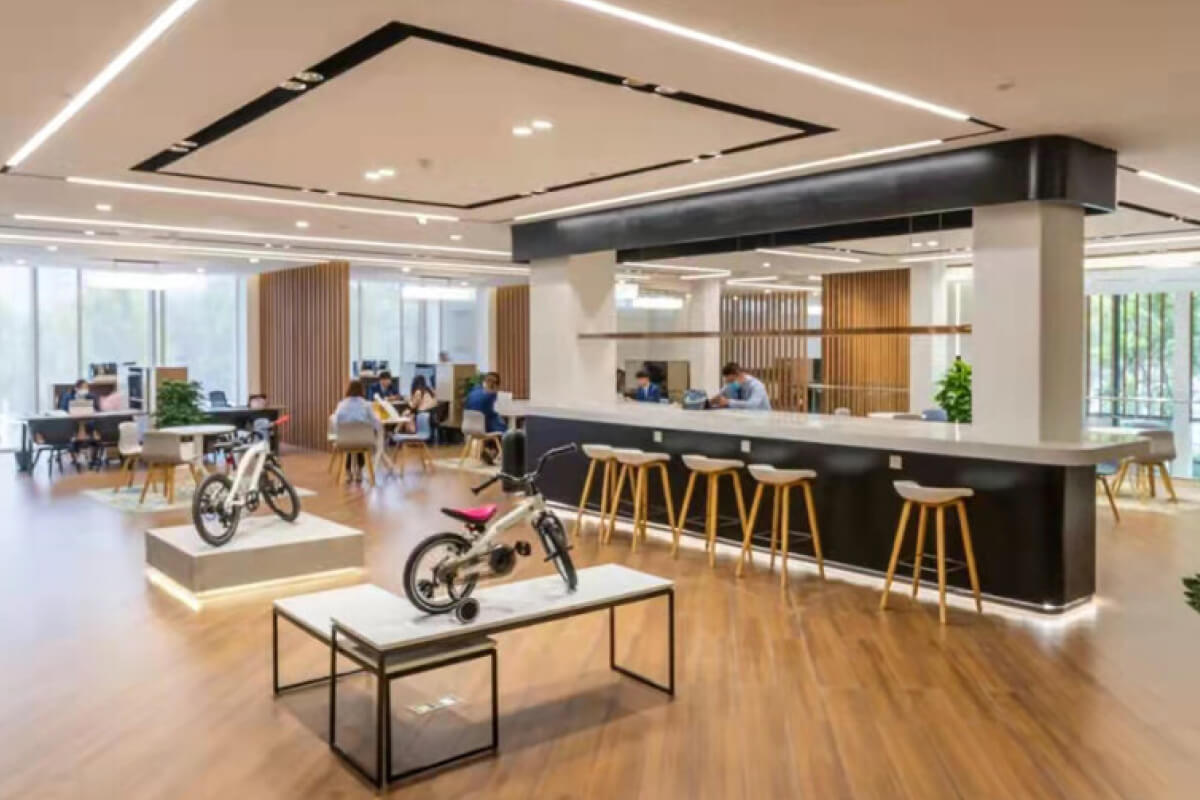 Last week, the M&W team proudly took home third place at the prestigious Cross-Border E-Commerce Competition! This exciting event brought together leading e-commerce companies from around the globe to share their success stories and innovative strategies. Today, we are thrilled to share this fantast
-
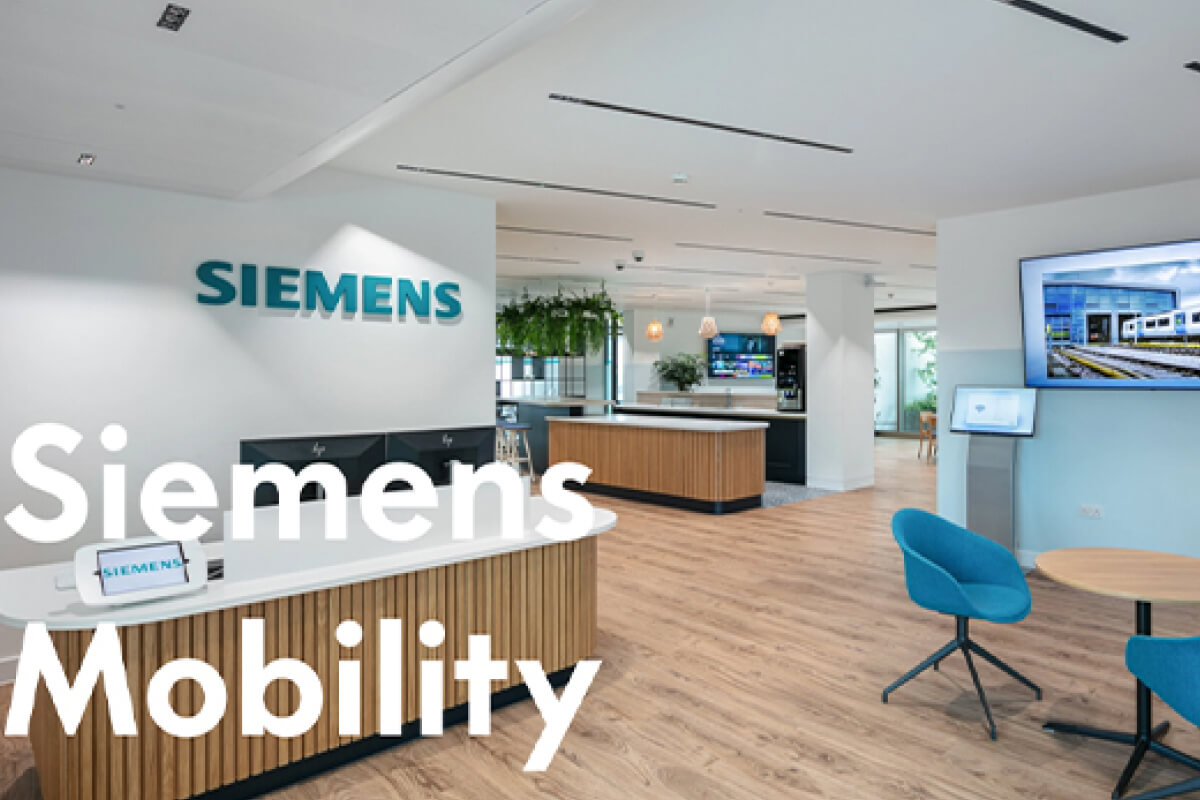 Siemens Mobility AG is looking to consolidate multiple divisions and move its London headquarters from two separate premises to an entire floor of the Lantern Building in Euston to create a unified headquarters. The company aimed to create a building that reflected its global position in the rail in
- Siemens Mobility AG is looking to consolidate multiple divisions and move its London headquarters from two separate premises to an entire floor of the Lantern Building in Euston to create a unified headquarters. The company aimed to create a building that reflected its global position in the rail in
FAQ
Q: Are you manufacturer company?
A: Yes, We are manufacturer, located in Foshan city, just half an hour away from GUAGNZHOU. Warmly welcome to M&W.
Q: Whats the scale of your factory?
Q: What are your main products?
Q: Can I choose the color?
Q: Can I change the size of product?
