
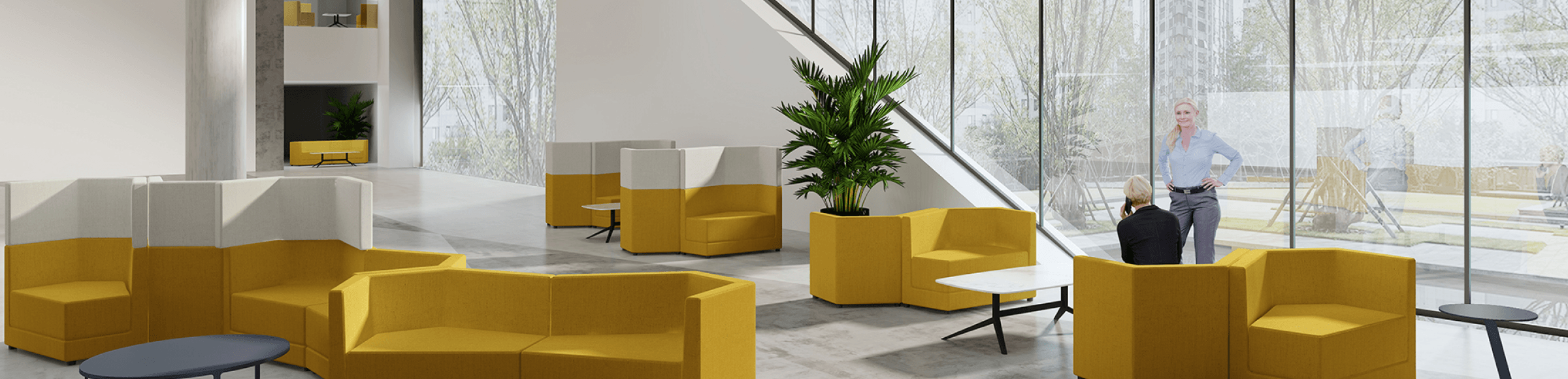

Pairing dynamic tactile textiles with high-tensile structural frames for a Modular Office Sofa system requires aligning abrasion resistance, structural foam density, and frame load-bearing capacities to ensure cohesive aesthetics and extended commercial service life.

Directory
Material Engineering Fundamentals for Commercial Seating
Pairing Genuine Leather and Technical Fabric Textiles
Frame and Base Construction Integration
Acoustic Upholstery and High-Density Foam Specifications
Color Harmony and Surface Texture Contrast Strategies
Maintenance Protocols and Lifecycle Value Optimization
Conclusion and Final Recommendations
Material Engineering Fundamentals for Commercial Seating
Commercial seating durability depends on specifying high-performance technical fabrics, high-density polyurethane foams, and rigid internal framing designed for heavy daily use.
The foundation of any commercial Modular Office Sofa installation rests upon rigor in material selection. In high-traffic office environments, domestic-grade textiles degrade rapidly, leading to fabric pilling, frame deformation, and premature foam sag. Facility planners must evaluate materials using standardized test protocols like the Martindale Wear Test. Commercial fabrics specified for a modern Modular Office Sofa must achieve at least 50,000 double rubs to guarantee multi-year durability without fiber breakdown.
Beyond surface textiles, internal structural components establish the baseline for long-term reliability. Premium Modular Office Sofa systems utilize kiln-dried Russian Larix solid wood frames known for exceptional density and low moisture content, which prevents warping in climate-controlled spaces. When combined with 45D high-density resilience cut cotton foam, a Modular Office Sofa maintains structural memory, preventing deep impression marks even after prolonged daily usage.
Understanding the interaction between frame stiffness, cushion resilience, and exterior upholstery allows specifiers to create balanced lounge ecosystems. A high-density Modular Office Sofa provides stable support for informal meetings, while accompanying lounge chairs can feature softer, textured weaves or genuine leathers to introduce tactile variation across the floor plan.
Structural Load Distribution in Commercial Frames
Engineered solid wood internal framing distributes localized vertical loads evenly across sub-base steel assemblies, minimizing mechanical stress on individual joint fasteners during heavy daily utilization.
Polymer Density Science in High-Resilience Foam
High-density 45D polyurethane foam matrices utilize uniform open-cell structures to absorb kinetic energy efficiently, offering optimal pressure redistribution while returning immediately to original geometry upon load release.
Textile Tribology and Friction Resistance
Technical weave synthetic fibers blended with anti-static agents dramatically reduce surface friction, preventing pill formation, snagging, and surface glaze accumulation during repeated rotational seating movement.
Pairing Genuine Leather and Technical Fabric Textiles
Combining top-grain leather sofas with woven technical fabric lounge chairs establishes ideal tactile contrast while optimizing material maintenance across functional office zones.
In executive reception areas and open-plan lounge layouts, combining top-grain leather with woven synthetic or natural fabrics creates a sophisticated balance between prestige and cozy utility. A main Modular Office Sofa upholstered in premium aniline or semi-aniline leather serves as a durable, easy-to-clean central anchor for high-traffic reception zones. Leather possesses natural resistance to liquid spills and soil accumulation, making it ideal for the high-frequency seating modules of a Modular Office Sofa.
To keep the workspace from feeling visually rigid, complementary lounge chairs dressed in soft, multi-tonal technical fabrics can be placed around the central Modular Office Sofa. Technical fabrics bring acoustic dampening and warm visual depth into the layout. This material pairing leverages the natural tensile strength and wipe-clean convenience of leather on primary seating units, while using soft, sound-absorbing woven materials on single-seat accent chairs where users seek focus or extended relaxation.
From an engineering perspective, pairing these materials requires careful attention to cushion firmness and seam construction. Leather stretches differently than woven fabric under load; thus, the Modular Office Sofa requires double-stitched reinforced seams and calibrated underlying foam density to maintain tailored lines that harmonize with the softer, relaxed profile of fabric accent seating.
Elasticity Coefficient Differences Between Leather and Weaves
Leather exhibits elastic hysteresis under continuous load, requiring reinforced perimeter stitching and specialized web support to match the elastic recovery rates of high-tensile technical woven fabrics.
Thermal Regulation in Mixed Material Layouts
Integrating breathable woven fabric chairs beside leather sofa modules prevents heat retention, allowing users to select their preferred tactile thermal comfort depending on task duration.
Surface Reflectivity and Visual Weight Balance
Semi-gloss leather surfaces reflect overhead ambient architectural lighting, creating a sharp structural focus that is softened by the light-diffusing matte finishes of surrounding fabric lounge chairs.
Frame and Base Construction Integration
Integrating Russian Larix wood internal framing with cold-rolled steel plate bases creates structural stability across modular configurations.
A modular office sofa relies on underlying engineering to maintain structural integrity across frequent reconfiguration. The primary internal frame of a professional Modular Office Sofa uses imported Russian Larix solid wood, chosen for its high tensile strength and resistance to humidity variations. This rigid inner skeletal structure supports high-density foam cushions and prevents structural sagging over years of commercial service.
At the floor interface, cold-rolled steel plate foot frames with electro-sprayed protective coatings provide precise grounding and load-bearing performance. When paired with lounge chairs featuring matching metal bases or solid wood accents, the entire room achieves visual cohesion. The cold-rolled steel sub-structure of the Modular Office Sofa absorbs lateral shifts and impacts during spatial rearrangements, protecting internal wood joinery.
To ensure seamless integration between a central Modular Office Sofa and satellite lounge chairs, designers should match metal base finishes (such as matte black, brush nickel, or gunmetal) across both seating types. This unifies disparate material choices—such as pairing a dark leather Modular Office Sofa with vibrant fabric lounge chairs—under a consistent structural design language.
Moisture Calibration in Larix Timber Frames
Kiln-drying Russian Larix timber to exact moisture thresholds prevents wood shrinkage, joint loosening, and internal frame squeaking across fluctuating commercial HVAC environments.
Electrostatic Powder Coating Mechanics
Applying thermosetting powder coatings via electrostatic spray onto cold-rolled steel legs yields a uniform finish that resists scratching, chipping, and chemical oxidation from cleaning agents.
Modular Interlocking System Kinetics
Precision-engineered steel drop-in connectors convert individual Modular Office Sofa units into a unified structural beam, distributing point loads across all ground support legs.
Acoustic Upholstery and High-Density Foam Specifications
Engineered high-density 45D sponge cores paired with sound-dampening upholstery reduce ambient office noise while providing reliable ergonomic support.
Modern open-plan offices frequently suffer from elevated noise levels due to glass partitions, concrete floors, and exposed ceilings. Integrating acoustically absorbative seating, such as a high-back Modular Office Sofa, significantly improves sound management within collaborative zones. Upholstery textiles featuring multi-layered wool blends or micro-porous synthetic weaves act as sound absorbers, dampening mid-to-high frequency voice tones.
Beneath the upholstery, the foam core plays a critical dual role in both acoustic absorption and physical comfort. Utilizing 45D high-density cut cotton foam inside the Modular Office Sofa ensures that the cushion absorbs acoustic energy rather than reflecting it like hard surfaces. Furthermore, high-resilience 45D foam maintains its structural shape, preventing foam compaction that diminishes acoustic absorption and seating support over time.
When pairing a central Modular Office Sofa with lounge chairs, choosing high-back acoustic lounge chairs enhances privacy for individual calls while creating semi-enclosed conversation nooks. This combination transforms open floor plans into balanced zones optimized for both focused work and collaborative discussions.
Open-Cell Polyurethane Foam Acoustic Dissipation
High-density 45D open-cell foam traps incoming sound waves within its porous internal matrix, converting acoustic vibration into negligible heat energy to reduce room echo.
Ergonomic Pressure Mapping in Commercial Cushions
High-resilience cut cotton cushions distribute user body weight evenly across seat surfaces, reducing peak sacral pressure points and encouraging healthy posture during long meetings.
Fabric Porosity and Acoustic Performance
Selecting technical upholstery fabrics with optimal air permeability maximizes acoustic wave penetration into underlying foam cores, optimizing sound absorption without sacrificing stain resistance.
Color Harmony and Surface Texture Contrast Strategies
Strategic pairing of warm textured fabrics with smooth neutral tones on a Modular Office Sofa establishes refined visual hierarchy and functional zoning in modern office spaces.
Color choices and surface textures profoundly influence how employees and clients experience a commercial environment. Using a single fabric texture and monochromatic color scheme across all seating can make large lounge spaces look flat and uninviting. Designers use contrasting textures—such as pairing a smooth, neutral-toned Modular Office Sofa with vibrant, tactile lounge chairs—to create inviting visual focus areas.
A high-density Modular Office Sofa dressed in classic charcoal, warm taupe, or navy blue serves as a visual anchor in reception lounges or co-working hubs. Surrounding lounge chairs upholstered in mustard yellow, forest green, or terracotta bring warmth and energy to the space. This approach maintains a professional aesthetic on major furniture investments while allowing easy updates to smaller accent pieces as interior trends evolve.
When pairing materials, texture contrast is as critical as color balance. Combining smooth top-grain leather or flat-weave synthetic fabrics on the primary Modular Office Sofa with bouclé, felted wool, or ribbed velvet lounge chairs creates rich tactile variety. This subtle contrast elevates the perceived quality of the interior without cluttering the layout.
Chromatic Ratio Rules in Corporate Interiors
Applying a 60-30-10 color strategy—where 60% is neutral main seating, 30% secondary lounge chairs, and 10% accent hardware—creates balanced commercial lounge layouts.
Light Diffusion Profiles of Tactile Weaves
High-texture fabrics diffuse direct sunlight and artificial LED rays, eliminating glare and providing a soft, welcoming contrast to smooth leather or metal surfaces.
Spatial Zoning via Material Variation
Varying upholstery textures across seating groups visually defines collaborative zones and quiet focus nooks without building physical floor-to-ceiling walls.
Maintenance Protocols and Lifecycle Value Optimization
Structured preventative maintenance and modular component replacement maximize total ROI for commercial Modular Office Sofa installations.
Commercial furniture represents a substantial capital investment, requiring clear maintenance protocols to preserve appearance and structural performance. Facility managers must establish distinct cleaning routines tailored to specific upholstery materials. Technical fabrics on a Modular Office Sofa benefit from routine vacuuming with soft-brush attachments to remove dust grit before it abrades synthetic fibers.
For genuine leather seating modules, applying specialized B2B-grade leather conditioners twice a year preserves natural oils, preventing surface cracking under continuous indoor air conditioning. Cold-rolled steel bases and wooden frame joints should undergo annual hardware inspections to tighten connections and ensure inter-module stability.
Modular furniture design significantly lowers total cost of ownership compared to traditional fixed-frame sofas. If a single module of a Modular Office Sofa suffers localized damage or heavy staining, facility teams can replace or reupholster that specific section without replacing the entire seating system. This modularity extends product lifecycles, aligns with corporate sustainability goals, and delivers exceptional return on investment over a ten-year facility lifecycle.
Preventative Fabric Fiber Protection Systems
Applying fluoropolymer soil-resistant coatings during manufacturing creates a hydrophobic barrier around individual textile fibers, preventing liquid stains from penetrating deep into cushion foam.
Total Cost of Ownership (TCO) Calculations
Factoring in modular component replaceability reduces ten-year commercial furniture lifecycle costs by up to 40% compared to non-modular seating units.
Sustainable Facility Decommissioning and Recycling
Using separable timber frames, steel sub-assemblies, and recyclable foam matrices simplifies end-of-life disassembly, supporting corporate zero-landfill initiatives.
Conclusion and Final Recommendations
Pairing sofa and lounge chair materials in commercial workspaces requires a thoughtful balance between material science, aesthetic harmony, and structural engineering. By specifying high-performance technical fabrics, high-density 45D resilience foam, Russian Larix timber framing, and durable steel sub-bases, facility managers ensure long-lasting performance and exceptional visual appeal. Aligning material specifications with commercial space demands creates functional, inviting environments that elevate modern workplace design.
As commercial office environments continue to evolve toward flexible, collaborative, and employee-centered designs, choosing adaptable, high-quality seating systems becomes paramount. Exceptional workplace seating seamlessly blends structural strength with comfortable, elegant upholstery, ensuring long-term utility across dynamic corporate spaces. For organizations seeking engineered furniture solutions tailored for modern business environments, exploring advanced modular office sofa solutions for modern workspaces from M&W provides the perfect foundation for creating sophisticated, high-performance office lounges.
-
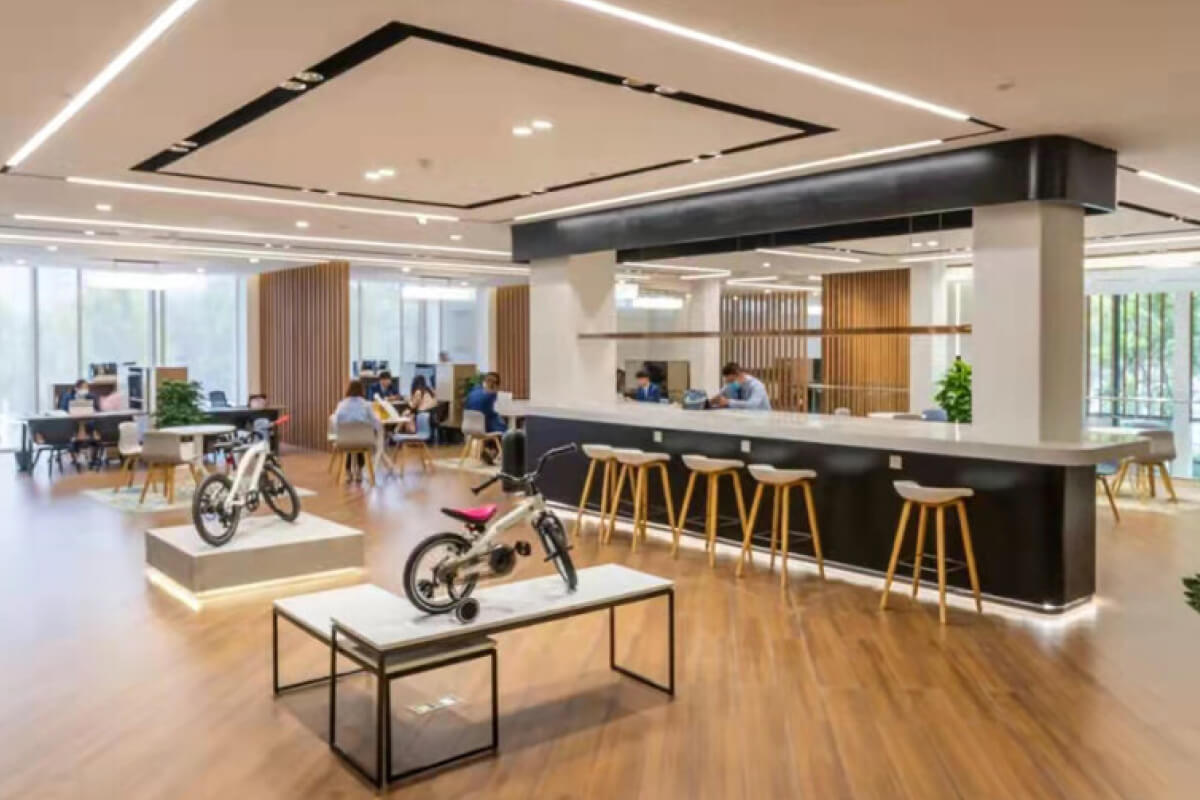 Last week, the M&W team proudly took home third place at the prestigious Cross-Border E-Commerce Competition! This exciting event brought together leading e-commerce companies from around the globe to share their success stories and innovative strategies. Today, we are thrilled to share this fantast
-
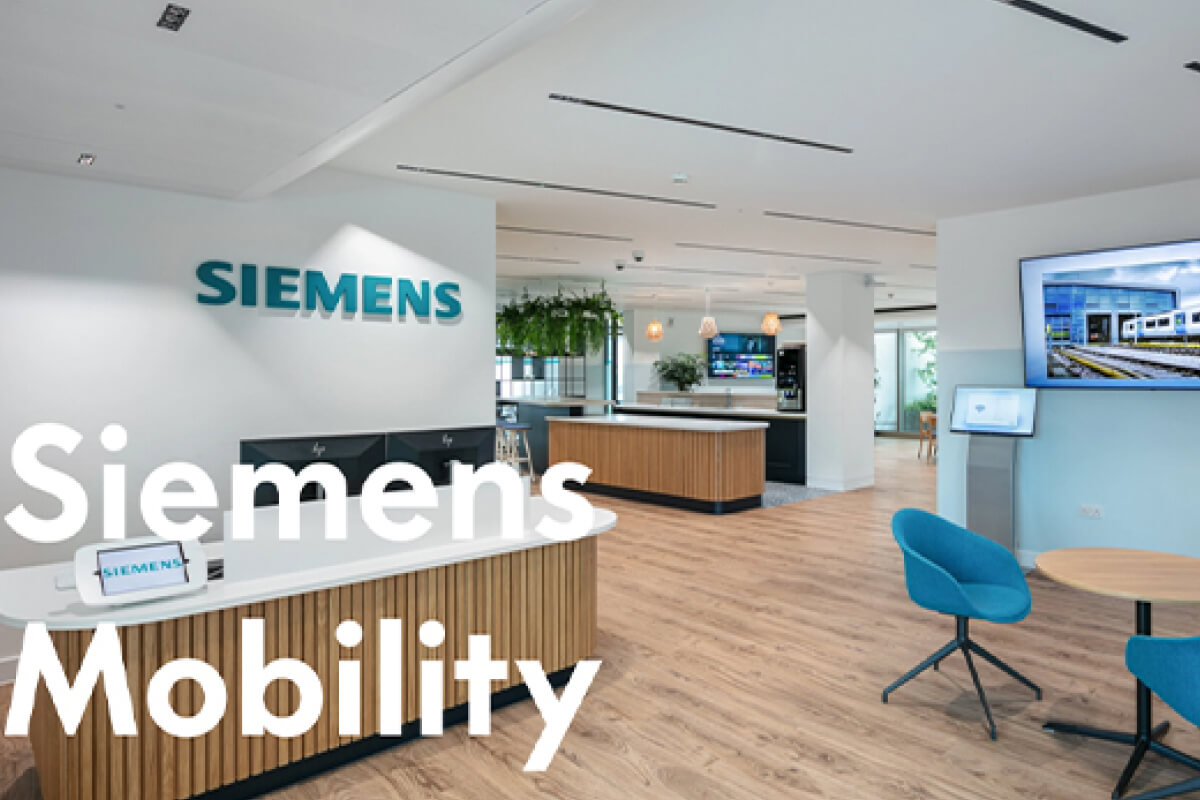 Siemens Mobility AG is looking to consolidate multiple divisions and move its London headquarters from two separate premises to an entire floor of the Lantern Building in Euston to create a unified headquarters. The company aimed to create a building that reflected its global position in the rail in
- Siemens Mobility AG is looking to consolidate multiple divisions and move its London headquarters from two separate premises to an entire floor of the Lantern Building in Euston to create a unified headquarters. The company aimed to create a building that reflected its global position in the rail in
FAQ
Q: What should buyers check when approving sofa and lounge chair material samples?
A: Review the color under natural and artificial light, surface texture, leather grain or fabric weave, backing structure, stitching color, piping, and contact between different materials. The approved sample should also record the exact material code for production inspection.
Q: Can sofas and lounge chairs use the same color but different upholstery materials?
Q: How can buyers prepare for future upholstery repairs or replacement?
Q: Which upholstery performance documents should commercial buyers request?
Q: How can our team coordinate lounge furniture with nearby veneer office furniture?
