
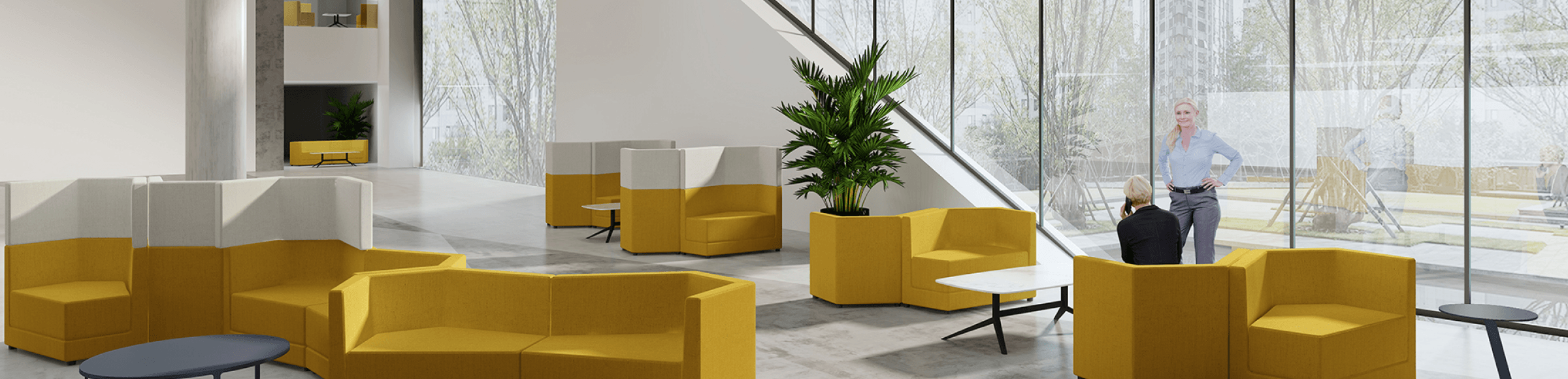

When selecting acoustic booth seating, procurement teams must evaluate structural privacy, internal durability, and manufacturer reliability. Key criteria include high upholstered sides or enclosed designs to manage ambient noise, and precision-welded metal internals to withstand high-frequency daily office use. Because specific decibel reduction varies by office environment and layout, buyers should focus on verifiable construction quality, ergonomic features like molded cushion cores, and the supplier’s proven manufacturing capacity to ensure long-term performance and reliable delivery.
In buying terms, these three criteria map directly to the risks a procurement team is actually managing: distraction in the open office, wear from high-frequency use, and delivery risk once an order is repeated across batches.
Key Takeaways
Design for Privacy: High upholstered panels and enclosed, house-shaped designs physically shield users and manage ambient workplace distractions.
Structural Durability: Precision-welded metal internals are mandatory for seating subjected to high-frequency, daily commercial use.
Ergonomic Support: Molded cushion cores provide the necessary structural support for prolonged periods of focused work or meetings.
Vendor Capacity: Partnering with manufacturers operating large-scale digital plants ensures consistent quality control and reliable fulfillment for enterprise procurement.

Structural Design Criteria for Workplace Privacy
The primary function of acoustic booth seating is to create a localized environment that mitigates the distractions inherent in open-plan offices. As modern workplaces continue to favor open layouts to maximize floor space and encourage collaboration, the unintended consequence has been a sharp increase in ambient noise and visual interruptions. Achieving a balance requires specific architectural elements built directly into the furniture. When evaluating these products, procurement teams must look beyond basic aesthetics and analyze how the physical shape of the seating unit dictates its privacy capabilities without the need for permanent, costly drywall construction.
Effective Acoustic Privacy Seating relies heavily on the height and configuration of its upholstered sides. Low-back or standard lounge seating offers no physical barrier against sound waves or visual interruptions. In contrast, booths engineered for privacy utilize high panels that extend well above the seated user's head. These panels serve a dual purpose: they block direct lines of sight, which significantly reduces visual distractions caused by peripheral movement in busy corridors, and they provide a large, upholstered surface area that helps absorb and deflect ambient workplace noise. By physically intercepting sound waves before they reach the user, these high panels create a localized zone of reduced acoustic intensity.
Furthermore, the overall geometry of the booth plays a critical role in its effectiveness. Enclosed forms, such as house-shaped designs, create a distinct micro-architecture within the broader office landscape. By partially enclosing the user—often with a structural canopy or inward-angled high panels—these designs trap localized sound, making them ideal for confidential one-on-one meetings or focused individual work. M&W uses high-sided booth forms for projects that need movable privacy zones without building permanent rooms. This approach allows facility managers to dynamically reconfigure quiet zones as team needs evolve, avoiding the rigid constraints of built-in meeting rooms while still providing a psychological sense of enclosure and separation from the main floor.
When assessing the structural design, buyers must consider the specific use cases intended for the seating. A booth intended for quick, informal touchpoints may only require moderately high sides, whereas a unit designated for deep, focused work or sensitive client calls will benefit from the maximum enclosure provided by a house-shaped canopy. The physical bulk, height, and geometric configuration of these acoustic panels are the foundational criteria for establishing a private zone in an otherwise open environment. Procurement teams must prioritize these physical shielding characteristics to ensure the seating actually performs its intended function.
Evaluating Durability for High-Frequency Office Use
While the exterior architecture of acoustic booth seating dictates its privacy capabilities, these heavy, high-panel structures require substantial internal support to remain viable in a commercial setting. Because office furniture is subjected to continuous, high-frequency use, the unseen internal construction must be capable of withstanding daily stress without failing. The structural demands placed on acoustic seating are significantly higher than those placed on standard lounge chairs due to the sheer size and weight of the privacy panels.
In a busy corporate environment, a single seating unit may host dozens of different users throughout a single day. These spaces frequently serve as rapid touchdown zones between meetings, meaning users are constantly sitting, standing, leaning against the high acoustic panels, and shifting their weight. This continuous cycle subjects the frame to dynamic loads and lateral forces that far exceed standard residential or light-commercial use cases. Because the privacy panels extend high above the seat base, they act as levers; any lateral force applied near the top of the panel transfers massive torque directly to the base joints. If the internal frame is constructed from standard, low-density wood or assembled with basic mechanical fasteners, the structural integrity of the booth will rapidly degrade under this torque. The heavy acoustic panels will begin to sag, the joints will loosen under the repeated stress, and the unit will eventually require costly replacement, disrupting office operations.
To manage this risk, enterprise buyers should verify whether the booth uses reinforced internals, such as precision-welded metal frames, when the unit will be used in high-traffic areas. Metal frames provide the necessary rigidity to support the weight of high upholstered sides while resisting the torsional stress applied by users leaning against the structure. For example, the Domira Acoustic Booth Seating model utilizes precision-welded metal internals specifically built for high-frequency daily usage. The welding process ensures that the joints of the frame are permanently fused, eliminating the risk of screws backing out or glued dowels snapping under pressure.
Procurement evaluators should prioritize this internal metal construction as a non-negotiable criterion for any high-traffic deployment. The initial capital expenditure for seating with welded metal internals is offset by the significantly extended lifecycle of the product and the reduction in ongoing maintenance requests. By ensuring the unseen structural core is engineered specifically for high-frequency commercial use, organizations protect their investment, prevent premature structural sagging, and maintain the functional and aesthetic integrity of their acoustic seating over years of demanding deployment.
Ergonomics and Comfort in Enclosed Seating
A robust internal metal frame ensures the booth will survive the commercial environment, but the materials that interface directly with the user determine whether the booth will actually be utilized. If an acoustic booth is durable and private but physically uncomfortable, employees will avoid it, negating the purpose of the investment. Therefore, evaluating the ergonomic support of the soft, user-facing components is just as critical as assessing the rigid internal frame.
Ergonomics in enclosed lounge seating differs significantly from the ergonomics of a standard desk chair. Users in an acoustic booth are typically engaged in collaborative discussions, reading documents, or performing focused laptop work, often adopting a more relaxed, lounge-style posture. However, a relaxed posture still requires precise structural support to prevent musculoskeletal strain during prolonged use. Without proper ergonomic engineering, a booth that looks inviting can quickly become a source of physical fatigue, leading employees to abandon the space entirely and return to traditional desks or enclosed conference rooms.
The critical component to evaluate here is the cushioning material. Standard cut foam, often found in lower-tier seating, is sliced from larger polyurethane buns and inherently possesses inconsistent density. When subjected to the continuous weight of different users, cut foam quickly loses its rebound capacity, leading to a "bottoming out" effect where the user can feel the rigid metal or wood frame beneath. This lack of support causes discomfort, restricts blood flow, and forces the user to constantly shift positions, disrupting their focus and reducing the utility of the acoustic booth.
To ensure long-term comfort and productivity, buyers must look for seating that utilizes ergonomic molded cushion cores. Molded foam is injected directly into a precise cast, creating a cushion with a consistent, high-density cellular structure that perfectly matches the intended ergonomic contours of the seat. This manufacturing method allows the cushion to provide targeted support—remaining firm enough to promote healthy posture and spinal alignment while offering enough surface compliance to be comfortable for prolonged periods. Models like the Domira booth incorporate these ergonomic molded cushion cores to ensure that the seating surface retains its shape, rebound capacity, and supportive qualities even after thousands of hours of use. Evaluating the quality of the cushion core is essential for ensuring that the acoustic booth functions as a viable, long-term workspace rather than just a temporary waiting area.
Assessing Manufacturer Reliability and Production Capacity
Evaluating the physical product—its acoustic design, metal internals, and ergonomic cushioning—is only half of the procurement equation. The ability to successfully deploy these products across an enterprise depends entirely on the reliability and capacity of the manufacturer. Mitigating supply chain risks, ensuring consistent quality control, and supporting reliable fulfillment require a thorough assessment of the vendor's infrastructure and industry standing.
When procuring acoustic booth seating at scale, buyers must assess the supplier's manufacturing infrastructure. Enterprise rollouts often involve outfitting multiple floors or entirely new regional headquarters simultaneously. A vendor operating out of a small, fragmented facility may be able to produce a high-quality prototype, but they often struggle to maintain that quality and meet strict delivery timelines across a multi-hundred-unit order. Inconsistencies in panel height, fabric stitching, or metal welding can disrupt a phased office rollout, complicate installation, and lead to costly returns that delay facility opening dates.
To mitigate this risk, procurement teams should partner with manufacturers that possess proven, large-scale production capabilities. For instance, M&W operates a 120,000 ㎡ digital manufacturing plant staffed by over 700 employees, and further detail is available on their About Us page. For buyers, that scale has a direct purchasing meaning: repeatable digital processes are what keep dimensions, fabric and lead times consistent across multiple batches of the same order, so later deliveries match the units already installed.
A manufacturer's standing in the wider commercial furniture industry works as a reliability signal rather than a badge. Partnerships such as M&W's work with Steelcase, along with its role as a designated supplier to multiple Fortune Global 500 enterprises, indicate audited project delivery experience, compliance capability and the long-term supply stability that enterprise rollouts depend on.
Conclusion
In short, choosing acoustic booth seating comes down to three verifiable criteria: structural privacy delivered by high upholstered panels, durability delivered by reinforced metal internals and molded cushion cores, and supplier reliability demonstrated by repeatable large-scale production. Reviewed together, they keep an office rollout predictable from the first unit installed to the last. To confirm whether these criteria are met in your own layout, request a specification confirmation and a scenario assessment to determine the optimal acoustic booth seating configuration for your office.
-
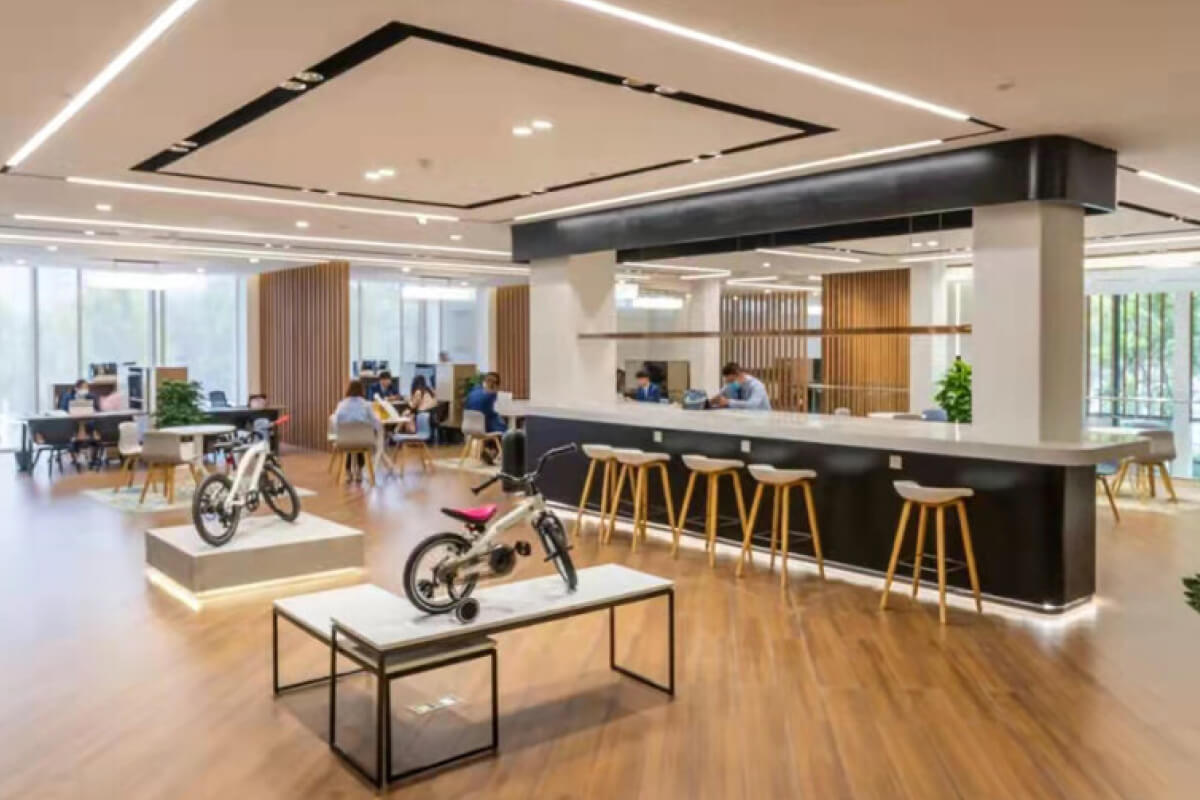 Last week, the M&W team proudly took home third place at the prestigious Cross-Border E-Commerce Competition! This exciting event brought together leading e-commerce companies from around the globe to share their success stories and innovative strategies. Today, we are thrilled to share this fantast
-
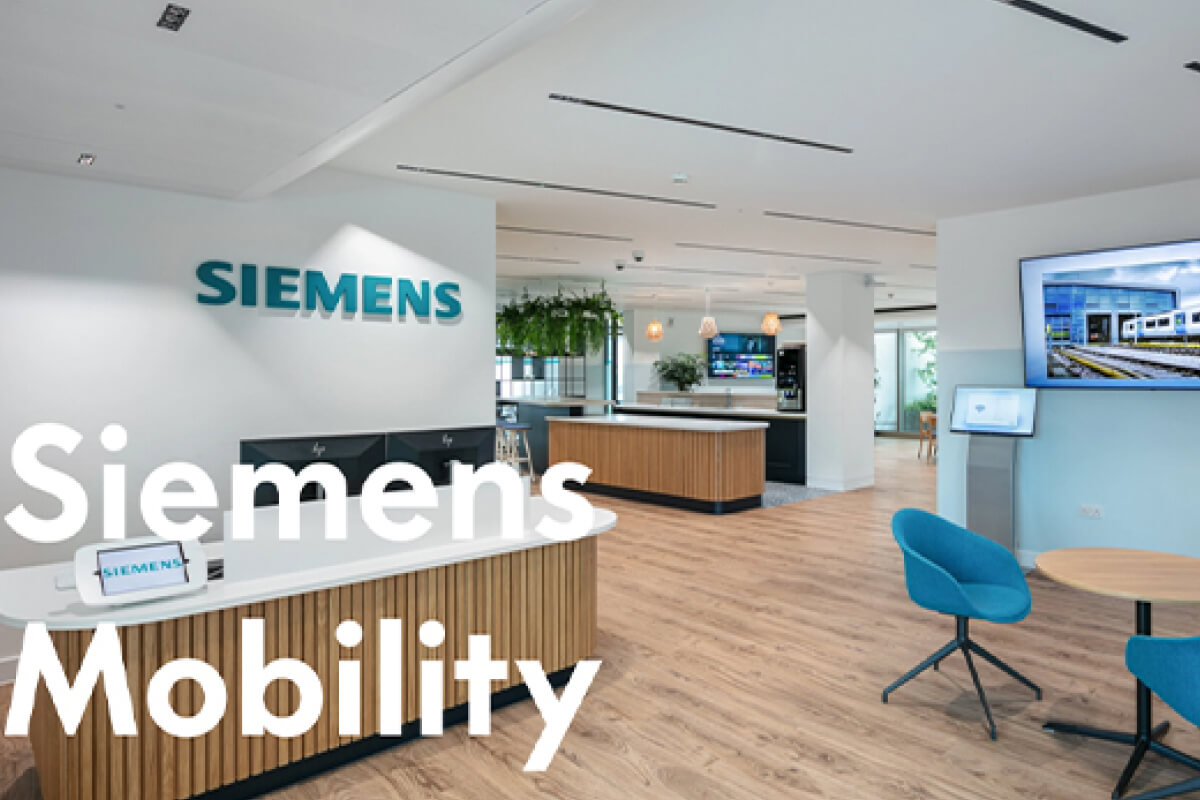 Siemens Mobility AG is looking to consolidate multiple divisions and move its London headquarters from two separate premises to an entire floor of the Lantern Building in Euston to create a unified headquarters. The company aimed to create a building that reflected its global position in the rail in
- Siemens Mobility AG is looking to consolidate multiple divisions and move its London headquarters from two separate premises to an entire floor of the Lantern Building in Euston to create a unified headquarters. The company aimed to create a building that reflected its global position in the rail in
FAQ
Q: What makes acoustic booth seating durable for daily office use?
A: Durability depends on welded metal frames, consistent upholstery and stitching, resilient molded cushions, and stable panel structures that resist loosening under daily use.
Q: How do high-panel designs improve workplace privacy?
Q: Why is manufacturer capacity important when procuring office booths?
Q: What internal materials support long-term ergonomic comfort?
Q: Can acoustic booth seating be reconfigured as office layouts change?
