
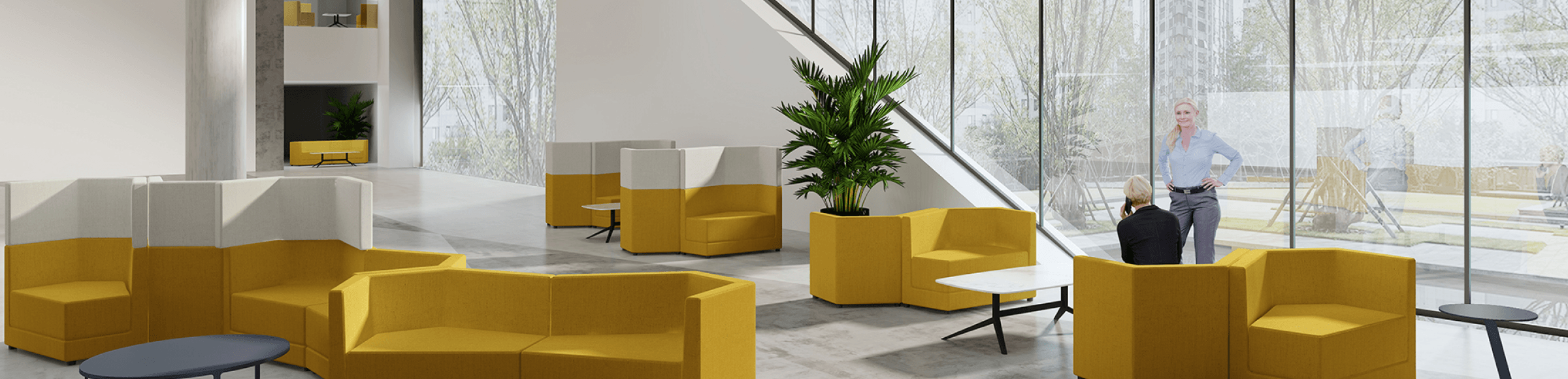

Selecting an ideal lounge chair can be considered a straightforward furniture selection process; however, when furnishing a business place, this choice can affect a lot of things, including first impressions and staff productivity.
This article features a complete buyer’s guide, in which you will find out what makes the ideal lounge chair.

Why Choosing the Right Lounge Chair Matters
● First impressions for clients and visitors: First impressions can take seven seconds to make; reception seating is doing much of the work for you. A creaky, unstable, and unsuitable seat conveys a negative image, which is not what you intend. However, good quality and carefully chosen seats send out a message to potential clients that you are someone who notices details, and hence it is likely you will care for your business.
● Employee comfort and well-being: Employees spend a substantial amount of time daily in meeting rooms/collaboration areas. This means that poor seating causes genuine discomfort, which can become a source of numerous complaints. A properly selected and comfortable seating arrangement ensures fewer complaints and more people making use of meeting lounges.
● Long-term durability and cost savings: You only get a good deal on cheap chairs until you're replacing them again in a year and a half. A quality purchase means avoiding an endless process of buying, recovering, and repairing creaky chair frames. Over a period of five years, there isn't any doubt that a durable chair will be a better investment than three low-quality chairs.
● Supporting brand image and interior design: Your furniture needs to match your brand identity; it shouldn't just look like something you happened to choose out of a catalog. A quality lounge chair will reinforce your interior design vocabulary and give a purposeful feel to every space.
Seven Key Elements of the Perfect Lounge Chair
1. Ergonomic Comfort That Supports Long Sitting Sessions
● Proper backrest angle and lumbar support: The spine is naturally curved, and your furniture should reflect this, rather than defy it. Opt for backrest angles ranging from 100 to 110 degrees when using it in a relaxing setting; the former ensures that pressure does not put undue strain on your lower back while the latter prevents users from falling asleep. Lumbar support will become more apparent once you sit for 30 minutes or more.
● Seat depth and width for different body types: A seat that is too deep will force the person with a shorter physique to slide forward and thus lose all back support, while one that is too shallow will leave tall individuals with dangling thighs. The ideal seat depth ranges from 18 to 20 inches, while the width should exceed 20 inches.
● Cushion firmness vs. softness: There is a balance to strike between a "sink-like quicksand feeling" and "could have been a wooden bench feeling." Cushions made of high-density foam, which usually ranges from 1.8 to 2.5 lb/ft³, tend to maintain their form even after continuous use without sinking over the course of a year. To achieve the optimum combination, the softer the cushions are at the top while still maintaining firmness on the inside, the better.
● Armrest positioning for maximum comfort: Putting the armrests either too high or too low causes strain on your shoulders. The best way to ensure your shoulder health is not jeopardized is to place the armrests at 7 to 9 inches above the seat level.
2. High-Quality Frame Construction for Long-Term Durability
● Solid wood vs. metal frame: The choice between a solid hardwood frame, such as oaks, beeches, or ashes, provides warmth and traditionality, as well as great strength. In the case of a metal frame, think about powder-coated steel and aluminum. They bring modernity and withstand high traffic better due to their resistance to wear and tear.
● Weight capacity considerations: The commercial application calls for a frame able to carry at least 250 or 300 lbs, and even more in case of the busy area, such as hotel lobbies or coworking spaces. Make sure to get the exact information regarding the weight capacity from the manufacturer.
● Reinforced joints and structural stability: Take a good look at the connection of the legs to the seat frame. Corner blocks, doweling joints, and metal brackets all make the frame stronger than it could be due to glue only. Wobbling in the store means double trouble in six months of constant usage.
3. Upholstery Materials That Match Your Environment
● Genuine leather: Leather has longevity and develops an attractive surface layer when aged; moreover, it has an air of high-end quality from the very first moment a person sits down. An ideal choice for executive offices or hospitality establishments; however, its higher price and occasional need for conditioning have to be considered.
● PU leather: Polyurethane leather provides almost the same appearance as genuine leather but costs less. It also has more resistance to cracking in humid environments than commonly thought. A good compromise between genuine leather and fabric for companies that seek a leather appearance but cannot afford genuine leather.
● Fabric upholstery: Fabric is warmer and has a wide variety of textures and colors, which helps to match interior design themes more easily. The drawback is that regular fabric upholstery is more likely to stain; therefore, it is more appropriate for environments with less traffic.
● Velvet and premium textiles: Velvet is back in high-end commercial interiors. Beautiful photos and unique appearance add elegance and prestige; however, velvet wears out faster in high-traffic areas, so it is more suitable for executive than reception areas.
4. Design Style That Complements Your Space
● Modern minimalist: Clean lines, neutral colors, and lack of any decoration are what characterize this style. This is an ideal style for tech offices and spaces that require a modern look.
● Scandinavian: Soft, light-colored woods and soft curves are characteristic of this style. The Scandinavian style creates a relaxing and comfortable feeling and is common in the co-working and break-out spaces.
● Luxury executive: Tufting, leather, and heavy-duty frames are characteristic of luxury executive style. This type of style is suitable for executive offices and boardrooms where the seating needs to create an impression of authority.
● Contemporary commercial: Durable materials that are also fashionable characterize this style. Contemporary commercial style is meant for spaces where people move in and out, such as hotel lobbies and large reception areas.
5. Proper Dimensions and Space Planning
● Measuring available space: Don’t take measurements based on the chair alone before you make your order. You have to be aware of the movement around the chair after its placement as well because a chair, whose proportions look good on a floor plan, can turn out to be too cramped in reality.
● Seat height considerations: Seat heights on lounge chairs normally range from 16 to 18 inches, which is suitable for the majority of the adult population. However, if there is a certain demographic of your clientele, then make an adjustment in the seat height accordingly.
● Chair footprint: Not only should you consider the width and length of the chair, but the width and length of the entire chair should be considered. This includes armrests and also a reclining mechanism for the chair, which requires additional inches of clearance.
● Clearance for walkways: The average clearance required for the primary walkway is at least 36 inches, while 24 to 30 inches is necessary for secondary walkways. Anything less and your room will feel cramped despite its spaciousness on a floor plan.
6. Functionality Beyond Seating
● Swivel lounge chairs: The ability to swivel allows individuals to turn and position themselves in a way that enables communication, viewing a screen or scenery, all without having to move the entire chair. This is beneficial in collaborative spaces where the focus point will change throughout the day.
● Reclining lounge chairs: The recline feature creates an additional element of comfort that is especially beneficial in break rooms and hospitality lounges, where the main purpose is relaxation rather than work.
● Accent chairs: While sometimes not meant for daily use at all, accent chairs focus on style and design.
7. Manufacturer Quality, Warranty, and Customization Options
● Manufacturing standards: Check the process of chair manufacturing and find out whether a manufacturer can give a comprehensive description of each stage of production, from creating a wooden frame to covering it. Good manufacturers have certain standards for each manufacturing run and not for each batch separately.
● Quality control processes: It is important to check whether a manufacturer has some processes of quality control before delivering products to customers. Reputable producers conduct checks at various stages of production concerning frames, density of foam, upholstery, and fastening.
● Certifications to look for: The certifications to check will depend on the market of your company, but they may include BIFMA (safety and performance of furniture in North America), CARB Phase 2/CARB (standards concerning formaldehyde in wood elements), and CAL 117 (standards of flame retardancy in commercial upholstery).
● OEM and ODM customization services: If you need to order a chair in specific colors or with specific dimensions, OEM and ODM services help you to customize products according to your needs.
●Warranty coverage: Any self-assured manufacturer will back its product with a warranty, usually one to five years, depending on the part. Frame warranties generally last longer than upholstery warranties because fabric wear is inevitable through commercial usage.
● After-sales support: Inquire about the manufacturer’s policy concerning problems that may arise after the sale. Are spare parts available? Is help available for fixing the problem? It becomes very important after the purchase rather than before it.
Lounge Chair Buying Checklist
Before placing your order, use this checklist to evaluate your options:
● Define your primary use (executive office, lobby, waiting room, breakout space)
● Set a realistic budget that accounts for quantity and long-term durability
● Choose suitable upholstery based on traffic level and cleaning needs
● Verify dimensions against your actual floor plan, not just a catalog photo
● Evaluate ergonomic features like backrest angle, seat depth, and armrest height
● Review warranty details for both frame and upholstery
● Request samples if purchasing in bulk before committing to a full order
● Compare customization options across manufacturers you're considering
Why Partner with a Professional Lounge Chair Manufacturer
● Product consistency in every single unit is key when you are designing many spaces or areas, since the 40th chair should not look any different from the first one.
● The ability to make bulk orders means that a company can produce the amount of furniture required by the client in the required timeframe, without suffering from production bottlenecks and delays.
● The competitive factory pricing will become extremely helpful when you place a bulk order and try to save money on every single piece of furniture produced by the manufacturer.
● Shorter lead times and efficient production processes of an experienced manufacturer might be what makes or breaks your project and allows you to launch your business or project according to the plan.
● The option to design custom branding for your furniture through logo stamping and other features, such as custom-made color matching, will allow your furniture to be part of your business’ image.
● International shipment options are essential if your business involves furniture ordering from different countries/regions.
This is why you need to partner with M&W Sofa for high-quality sofas for your projects. Visit our product webpage to explore the options available and contact us for expert assistance.
Relevant FAQs
What should I look for when buying a lounge chair for a commercial space?
Focus on ergonomic comfort, frame strength, suitable upholstery, a design that matches the space, correct dimensions, useful functionality, and a manufacturer that can provide quality control, warranty, and customization support.
What seat dimensions make a lounge chair comfortable?
For many lounge settings, seat height commonly falls around 16 to 18 inches, while seat depth is often around 18 to 20 inches. The final choice should consider the intended users, sitting duration, and surrounding furniture.
Which lounge chair upholstery is best for business use?
The right material depends on the environment. Genuine leather suits premium executive spaces, PU leather balances appearance and cost, fabric provides warmth and color variety, and premium textiles can work well where visual impact is more important than heavy traffic.
How can I tell whether a lounge chair is durable enough for commercial use?
Check the frame material, reinforced joints, stated weight capacity, foam density, upholstery quality, and overall stability. Commercial buyers should also ask about manufacturing standards, quality-control processes, warranty coverage, and relevant certifications.
Can M&W provide a one-stop customized office furniture solution?
Yes. M&W can support one-stop office furniture customization for commercial projects, including lounge chair dimensions, upholstery, colors, branding details, and coordinated furniture solutions for reception, lounge, meeting, and other workplace areas.
Is it better to buy lounge chairs directly from a manufacturer?
Direct manufacturer sourcing can offer better access to customization, production information, quality-control details, and project support. Buyers should also confirm minimum order quantities, lead times, shipping arrangements, warranty terms, and after-sales service before ordering.
-
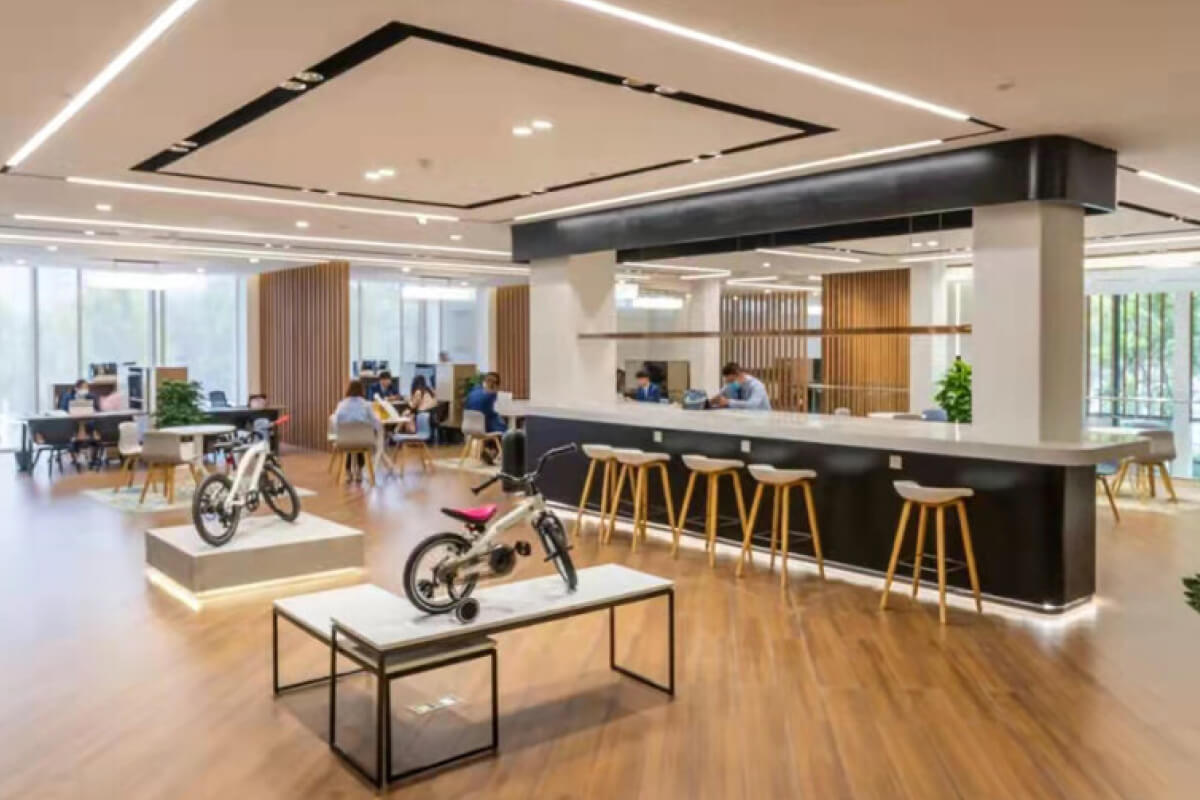 Last week, the M&W team proudly took home third place at the prestigious Cross-Border E-Commerce Competition! This exciting event brought together leading e-commerce companies from around the globe to share their success stories and innovative strategies. Today, we are thrilled to share this fantast
-
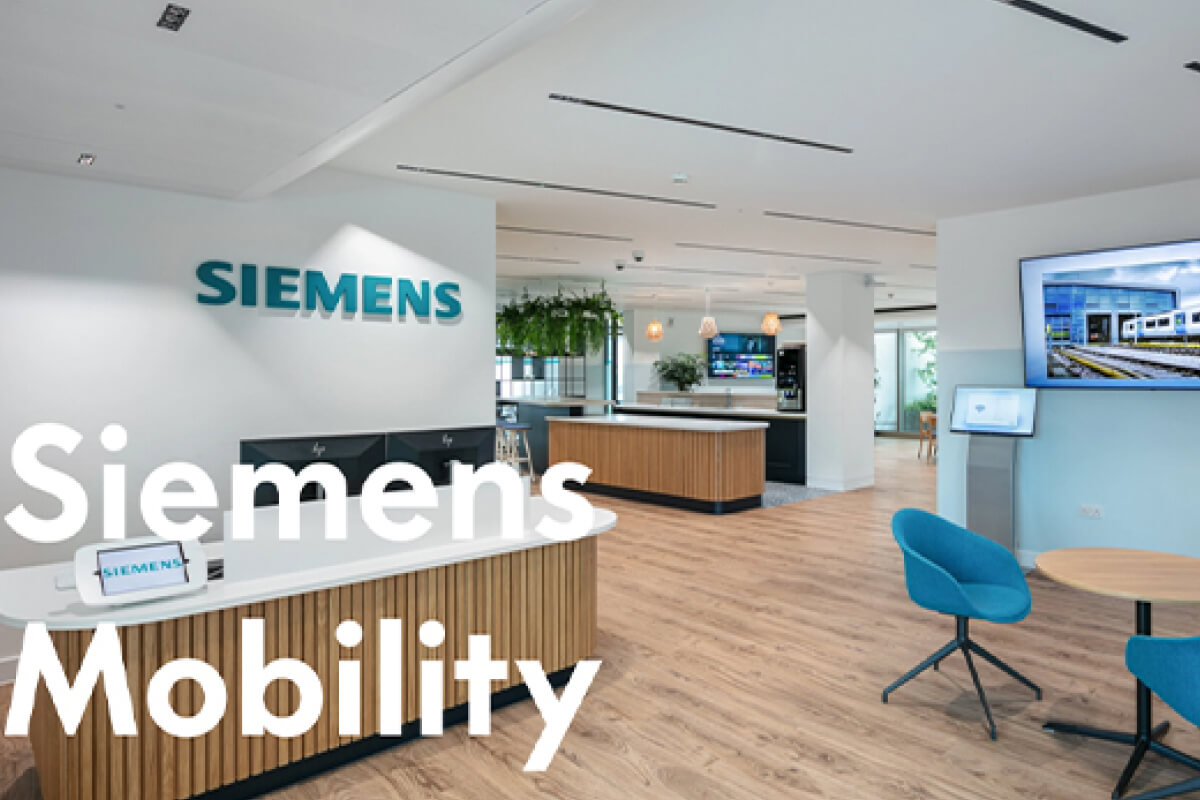 Siemens Mobility AG is looking to consolidate multiple divisions and move its London headquarters from two separate premises to an entire floor of the Lantern Building in Euston to create a unified headquarters. The company aimed to create a building that reflected its global position in the rail in
- Siemens Mobility AG is looking to consolidate multiple divisions and move its London headquarters from two separate premises to an entire floor of the Lantern Building in Euston to create a unified headquarters. The company aimed to create a building that reflected its global position in the rail in
FAQ
Q: Are you manufacturer company?
A: Yes, We are manufacturer, located in Foshan city, just half an hour away from GUAGNZHOU. Warmly welcome to M&W.
Q: Whats the scale of your factory?
Q: What are your main products?
Q: Can I choose the color?
Q: Can I change the size of product?
