
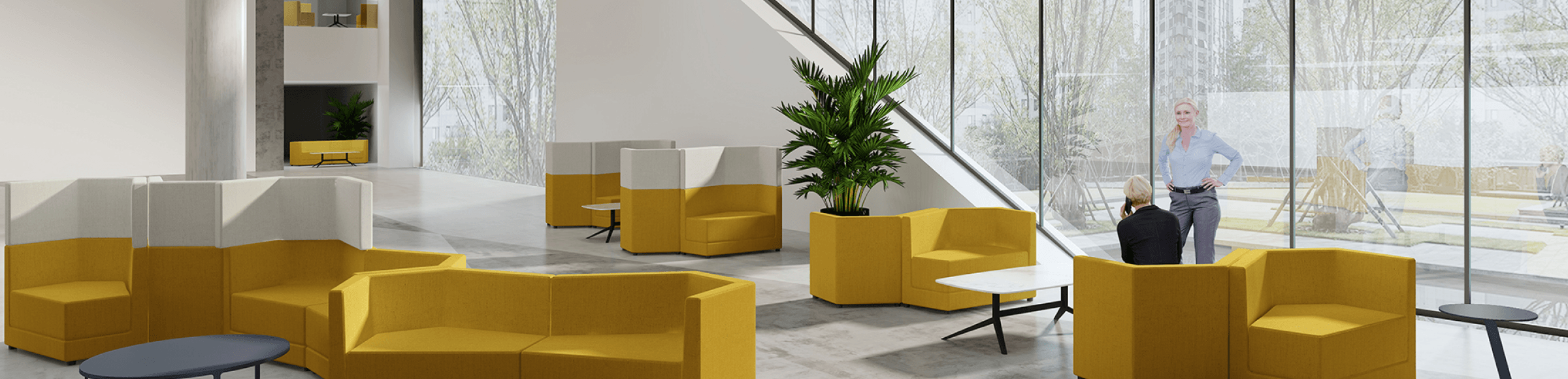

Acoustic workstations are specialized commercial furniture units designed to provide functional privacy and dedicated focus areas within open-plan office environments. Evaluating these units requires a thorough assessment of integrated features, such as built-in work surfaces and optional power modules, alongside durable material construction, including industrial-grade steel chassis and high-resilience injection foam. This guide details the essential features, material specifications, and configuration options of acoustic workstations, utilizing verified manufacturing data from M&W to support procurement managers and facility planners in vendor evaluation and specification confirmation.
Key Takeaways:
l Effective acoustic workstations require high-wall surrounds to provide functional privacy and mitigate visual distractions in open-office layouts.
l Integrated work surfaces and optional power modules are critical configuration options for maintaining employee connectivity and operational productivity.
l High-frequency daily commercial usage demands highly durable internal construction, specifically industrial-grade steel chassis and high-resilience injection foam.
l Repeatable specifications simplify space planning: the same acoustic workstation can be re-specified across focus zones, departmental hubs and multiple floors without redesigning the layout for each area.

Evaluating Essential Features in Acoustic Workstations
Modern open-plan offices demand a careful, strategic balance between collaborative, open spaces and individual, distraction-free focus areas. To achieve this balance without incurring the high capital expenditures of constructing permanent architectural walls or glass partitions, procurement teams must evaluate specific functional components that transform standard commercial seating into highly effective acoustic workstations. The primary feature to assess during the initial vendor selection phase is the physical structure of the seating unit itself. High-wall acoustic surrounds are strictly necessary to create a physical barrier that provides functional privacy. These high walls serve a critical dual purpose: they significantly reduce visual distractions from passing foot traffic and help manage ambient office noise by creating a semi-enclosed, dedicated micro-environment for the user.
Using the Brenta Acoustic Workstations as a factual baseline for procurement evaluation, effective models integrate these high-wall surrounds directly into the seating architecture. This seamless integration ensures that the privacy barrier moves concurrently with the furniture, offering maximum spatial flexibility for facility managers who need to rapidly reconfigure office layouts as team sizes, departmental structures, or operational needs change over time.
Beyond the external acoustic structure, the internal configuration of the unit determines its practical utility for daily administrative and technical tasks. A true workstation must function as a fully self-contained desk alternative rather than just a secluded lounge chair. Built-in tables provide the necessary, stable work surface for laptops, reference documents, and daily tasks. The built-in table provides a practical workspace that accommodates not just laptops, but also reference materials and mobile devices simultaneously, ensuring employees have a comprehensive desk alternative rather than a simple resting surface. By integrating the table directly into the workstation's footprint, organizations effectively eliminate the need for secondary, detached desks that consume additional valuable floor space and complicate open-office navigation.
Because modern corporate work relies entirely on continuous mobile device and laptop connectivity, evaluating power integration is as critical as assessing the acoustic surrounds themselves. A secluded workspace rapidly loses its utility if an employee must abandon their focus session to charge their device at a distant wall outlet. Therefore, acoustic workstations should offer optional power modules that can be integrated directly into the built-in work surface. This seamless connectivity ensures that employees can maintain high productivity during extended periods of focused work. Furthermore, integrated power modules eliminate the severe safety hazards associated with running temporary extension cords across open office floors. When evaluating configurations, procurement managers should explicitly confirm that the selected workstations can accommodate these power modules within the built-in tables, ensuring the furniture fully supports the technological demands of an agile, modern workforce.
Material Construction and Durability Standards
Because functional features like integrated tables and high-wall surrounds must withstand daily, high-frequency office use, evaluating the external capabilities of a workstation naturally dictates a rigorous assessment of its internal structural integrity. Acoustic workstations are high-traffic commercial assets; they experience constant shifting, weight bearing, and surface wear from multiple users throughout the standard workday. Consequently, the specific materials used in their construction directly impact both their operational lifespan and their sustained functional performance, ultimately determining the asset's return on investment.
To meet the rigorous demands of a busy corporate environment, M&W furniture utilizes an industrial-grade steel chassis to form the foundational skeleton of its workstations. Specifying a steel chassis is a critical procurement requirement because it actively prevents the premature warping, loosening, or instability that frequently occurs in lower-grade wooden or plastic frames when subjected to continuous commercial use. This robust framework is specifically built for high-frequency daily usage, ensuring that the unit can accommodate different users shift after shift without compromising its structural integrity. This rigid steel framework ensures that the high-wall surrounds remain perfectly aligned over time, maintaining their aesthetic and functional integrity. Furthermore, the steel chassis helps the integrated tables maintain a level, highly stable work surface, preventing the structural degradation that can render a workstation unusable after only a few years of deployment.
Surrounding this robust steel framework, the quality of the seating and acoustic padding determines both user comfort and the structural longevity of the acoustic barriers themselves. High-resilience injection foam is required for these specific commercial applications. Unlike standard cut foam, which degrades, flattens, and loses its core density over time, high-resilience injection foam is specifically engineered to maintain its shape and structural integrity even under constant, daily compression.
This material consistency is vital when evaluating Acoustic Privacy Seating. The density of the injection foam contributes significantly to the overall structural stability of the high-wall surrounds, ensuring they do not sag, lean, or deform under their own weight or user interaction. Simultaneously, this high-resilience material provides sustained ergonomic support for users during extended work sessions. By strictly specifying industrial-grade steel chassis and high-resilience injection foam, procurement managers can ensure that the acoustic workstations they select will deliver extended durability and consistent daily performance, minimizing the need for premature replacement.
Manufacturing Capabilities and Multi-Project Consistency
Once product specifications regarding functional features and material durability are firmly established, the procurement process requires qualifying the vendor's capacity to deliver these assets reliably at scale. The physical quality of an acoustic workstation is inextricably linked to the manufacturer's production infrastructure, quality control processes, and supply chain maturity. Evaluating these operational capabilities is essential for mitigating procurement risk, especially for large-scale corporate office fit-outs or multi-floor facility upgrades.
Evaluating a vendor's manufacturing footprint shows whether one specification can be repeated across a large order. Verified About Us data confirms M&W operates a 120,000 ㎡ digital manufacturing plant with over 700 personnel and holds more than 100 intellectual property rights, indicating mature process control rather than outsourced assembly. For procurement teams, that means later phases of a multi-floor rollout can be matched to the units already installed.
Furthermore, established corporate partnerships serve as secondary indicators of manufacturing maturity. M&W is a recognized partner of Steelcase and operates as a designated supplier to multiple Fortune Global 500 enterprises, relationships that require adherence to international manufacturing standards, quality assurance protocols and dependable delivery logistics. For procurement managers, that provides a baseline of trust: the vendor's capabilities have already been audited and approved by leading global organizations.
Once specifications are fixed, the next question is whether the vendor can repeat them at the scale the project requires. Multi-zone and multi-floor rollouts rarely ship as one batch, so every phase has to match the specification approved in the first one.
Important limitation regarding multi-project consistency:
l When one workstation model is repeated across several zones or floors, the agreed structural and material specification must hold for every batch.
l Batch-to-batch variation in chassis dimensions, foam density or panel upholstery can force partial re-installation and re-planning mid-project.
l Procurement teams should confirm in writing how that repeatability is controlled before the first zone is released, alongside the commercial terms of the specific order.
Evaluation Checklist for Vendor Selection
Synthesizing the functional features, material durability standards, and procurement logistics into a standardized assessment tool ensures a comprehensive and objective vendor evaluation. Procurement managers, facility planners, and technical evaluators should utilize a structured approach to verify that all proposed acoustic workstations meet the necessary operational and logistical criteria before committing capital.
The following checklist is designed to assist procurement teams in verifying specifications before initiating a formal purchase order or requesting a detailed scenario assessment for their specific open-plan office layout.
l Verify Functional Privacy: Confirm the presence of high-wall acoustic surrounds designed to create functional privacy and significantly reduce visual distractions in open-plan layouts.
l Assess Workspace Utility: Confirm the inclusion of integrated, built-in work surfaces capable of comfortably and stably supporting standard office equipment such as laptops and documents.
l Evaluate Connectivity Options: Assess the availability, placement, and compatibility of optional power modules for seamless device connectivity directly within the workstation's table.
l Inspect Structural Materials: Verify material specifications to ensure the use of an industrial-grade steel chassis for long-term structural stability and resistance to commercial wear and warping.
l Validate Seating Materials: Confirm the use of high-resilience injection foam to support sustained seating comfort and structural shape retention over years of high-frequency use.
l Review Vendor Scale: Confirm the vendor's manufacturing capacity (e.g., a 120,000 ㎡ facility size, 700+ employee count) to ensure they can handle the required order volume without delays.
l Verify Corporate Trust Signals: Check for established corporate partnerships and a verified history of supplying major enterprises (e.g., Steelcase partnership, Fortune Global 500 supplier status).
l Maintain Batch Consistency: Confirm that every batch of a multi-zone or multi-floor rollout repeats the same chassis, foam and upholstery specification.
l Confirm Rollout Scope: Verify that the vendor's production capacity matches the volume, zoning and phasing requirements of the project before the order is released.
To finalize your evaluation of acoustic workstations, request a detailed specification confirmation for the Brenta line or schedule a scenario assessment with M&W to determine the optimal configuration and layout for your open-plan office environment.
Conclusion
In short, specifying acoustic workstations comes down to verified features, durable materials and a supplier able to repeat the specification at scale. Reviewed together, these criteria keep a multi-zone rollout predictable from the first delivery to the last. To confirm whether they are met on your project, request a detailed specification confirmation for the Brenta line or schedule a scenario assessment with M&W.
-
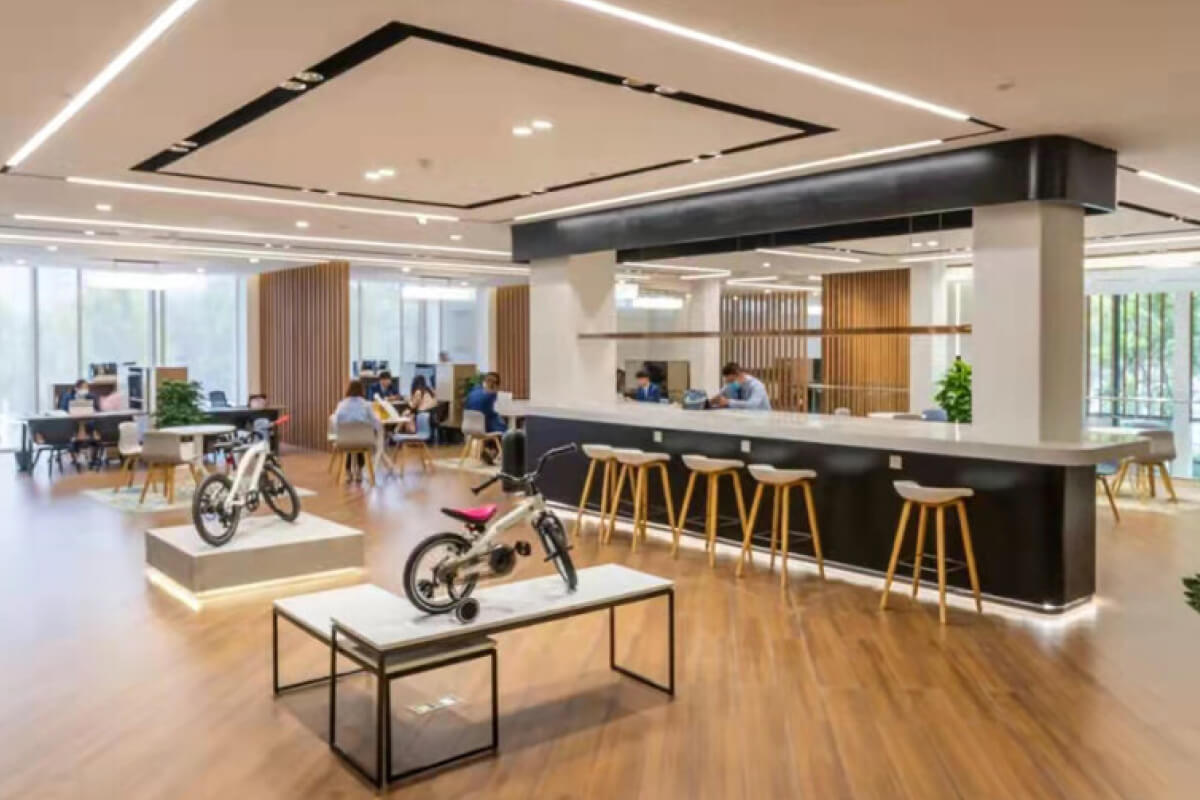 Last week, the M&W team proudly took home third place at the prestigious Cross-Border E-Commerce Competition! This exciting event brought together leading e-commerce companies from around the globe to share their success stories and innovative strategies. Today, we are thrilled to share this fantast
-
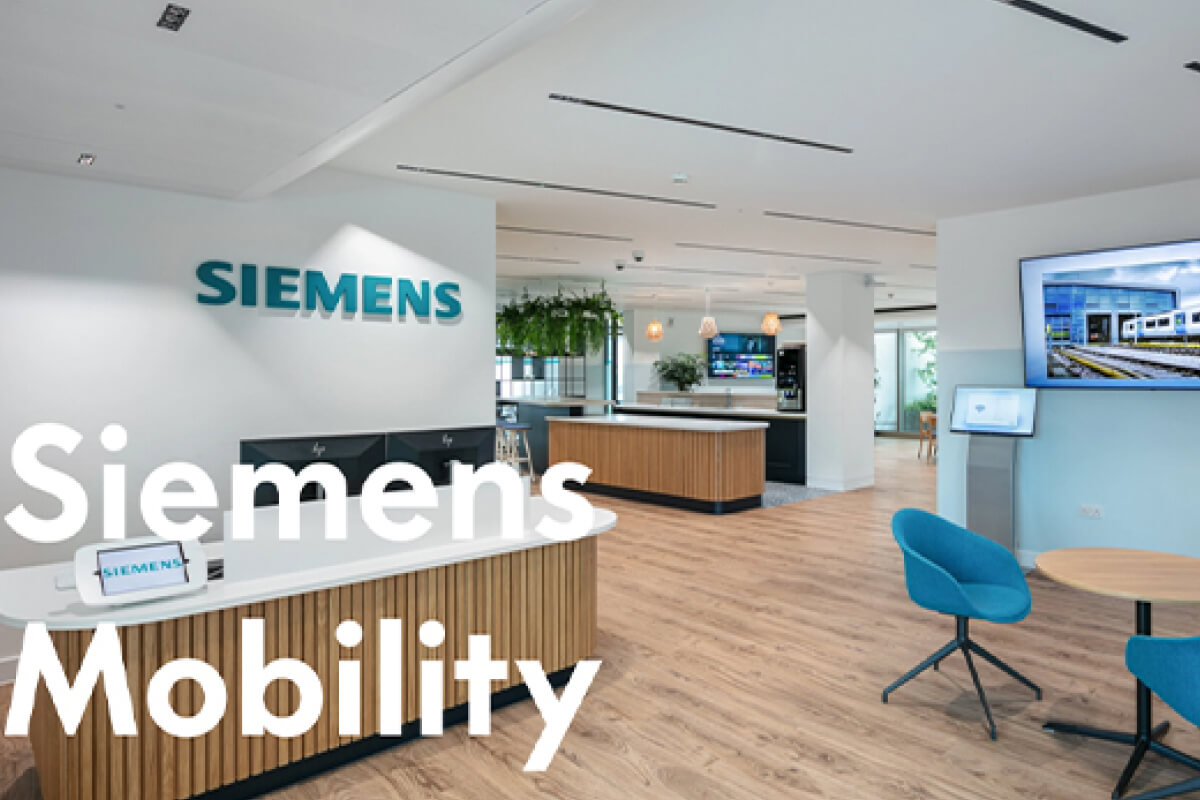 Siemens Mobility AG is looking to consolidate multiple divisions and move its London headquarters from two separate premises to an entire floor of the Lantern Building in Euston to create a unified headquarters. The company aimed to create a building that reflected its global position in the rail in
- Siemens Mobility AG is looking to consolidate multiple divisions and move its London headquarters from two separate premises to an entire floor of the Lantern Building in Euston to create a unified headquarters. The company aimed to create a building that reflected its global position in the rail in
FAQ
Q: What is the difference between acoustic tables and acoustic workstations?
A: An acoustic table is the built-in work surface, while an acoustic workstation combines the table with high acoustic surrounds, seating and optional power for privacy and focus.
Q: How long does it take to manufacture and deliver acoustic workstations?
Q: Can power modules be integrated into acoustic workstation tables?
Q: What materials ensure the durability of acoustic office seating?
Q: Are acoustic workstations suitable for open-plan offices?
